01 /
Set up the commercial importer in CARM
Review CBSA — registering a business in CARM ↗ and establish the correct importing business and account arrangements. Agree how the broker will act and what authorizations are needed. Using a broker does not remove the importer’s responsibility for accurate declarations and records.
CBSA — release prior to payment ↗ is an optional program with enrolment and financial-security requirements. Do not assume appointment of a broker automatically gives the importer release before payment. Confirm the release and payment arrangements that apply to this business before the cargo arrives.
02 /
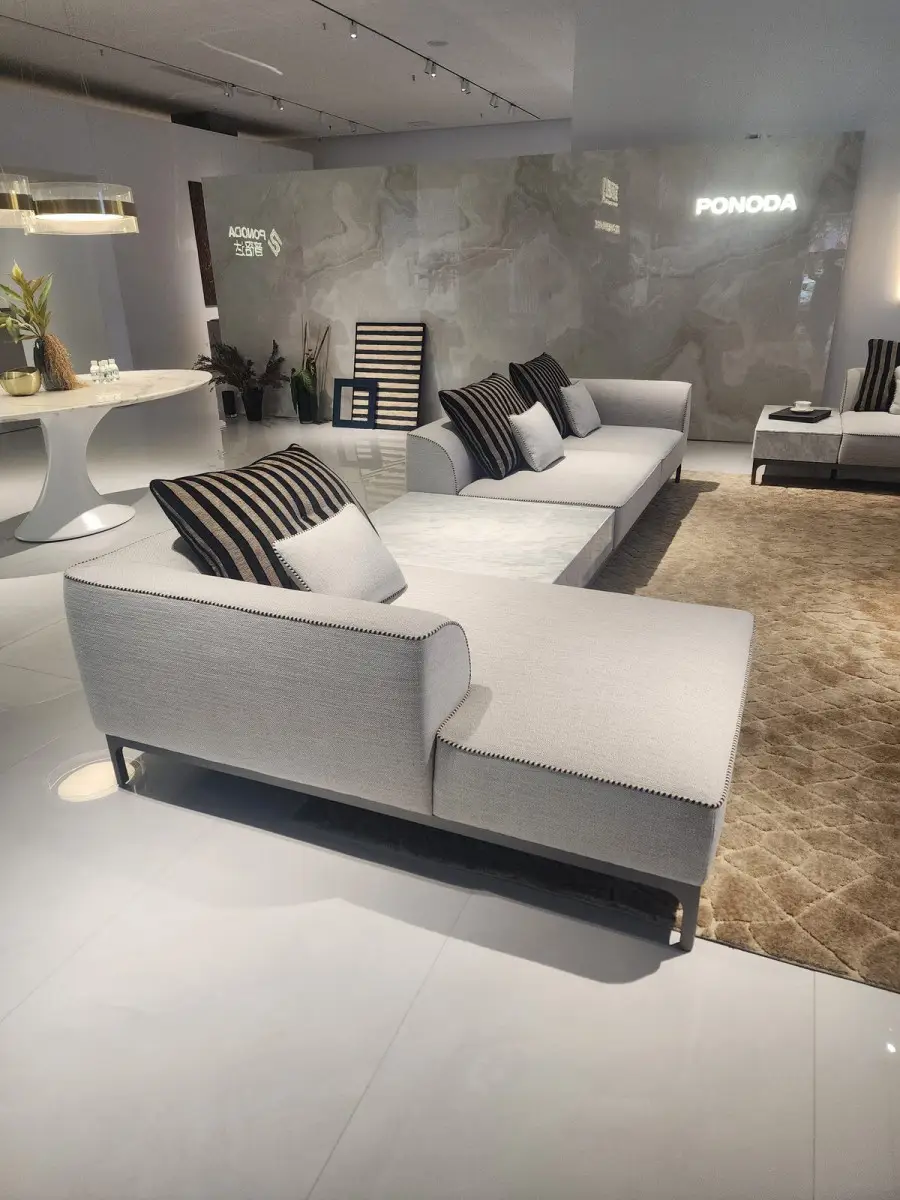
Investigate upholstered domestic seating before buying
Canada has measures in force for certain upholstered domestic seating from China and Vietnam. The CBSA — measures in force: upholstered domestic seating ↗ sets out the product definition, exclusions and customs information. This is not a blanket measure covering every sofa, chair or furniture product.
Send the broker photographs, construction, frame and upholstery materials, function, model and exporter details. Ask whether the actual item is subject to the measure and how any applicable assessment will be established. Do this before a deposit or shipping commitment: an ordinary customs-duty estimate may not capture the full exposure.
03 /
Classify the rest of the furniture accurately
The Canada Border Services Agency — duties and taxes ↗ explains the role of tariff classification, origin, tariff treatment and value for duty. Separate seating, bedroom furniture, tables, storage and other products where their classifications differ. Check for any other measures affecting the exact goods.
Keep a written product schedule with the supplier’s legal identity, model references and agreed materials. A commercial invoice described only as “furniture” gives the broker little basis to validate classification or establish whether a product-specific measure applies.
04 /
Build a Canadian cash budget
Ask for duty, applicable trade-remedy amounts, import taxes, brokerage, terminal handling and inland freight as separate figures. Check which taxes and procedures apply to the importer and destination province. Do not infer the complete tax result from a single online furniture percentage.
Use one currency for comparisons and record the valuation assumptions. Import taxes that may be recoverable can still affect the cash needed for clearance. The calculator accepts confirmed figures but does not determine tax recovery, CARM security or subjectivity under a trade measure.
05 /
Plan receiving and keep the supporting file
Request packed dimensions, weight and carton counts. For shared-container cargo, compare destination warehouse and handling charges as well as ocean freight. Agree who pays for storage, examinations or waiting if documents or receiving access are delayed.
- Keep the approved furniture specification, inspection evidence and invoice together.
- Confirm delivery access, unloading and assembly for the actual property.
- For hotel or retail orders, use model and room-type carton labels that match the packing list.
Before dispatch, ask your local customs broker to confirm the classification, current measures, tax bases and product evidence for this exact furniture order. Put confirmed amounts into the import budget calculator. Its figures are estimates based on your inputs, not a live customs quotation for Canada.
CHECK THE ORIGINAL REFERENCES
Sources & further reading.
- CBSA — registering a business in CARM ↗
- CBSA — release prior to payment ↗
- CBSA — measures in force: upholstered domestic seating ↗
- Canada Border Services Agency — duties and taxes ↗
- International Trade Administration — common trade documents ↗
Official source material is summarized for import planning. Product classifications, legal requirements, rates and provider charges must be checked for your actual order. Sources reviewed 15 October 2026.